
A cold evening makes an angithi, charcoal brazier or portable room heater seem like a quick solution. But these devices do not carry the same risks. Burning charcoal in an enclosed room can cause fatal carbon monoxide poisoning, even when you cannot smell smoke. An electric heater avoids that combustion hazard but still needs careful placement and a safe electrical connection.
This guide explains the difference, the warning signs to recognise, and a practical five-minute check before you warm a bedroom, hostel room, shop or family living area. It is a safety explainer—not a report of a particular incident or an endorsement of any heater.
Table of contents
Charcoal angithi versus electric room heater: the crucial difference
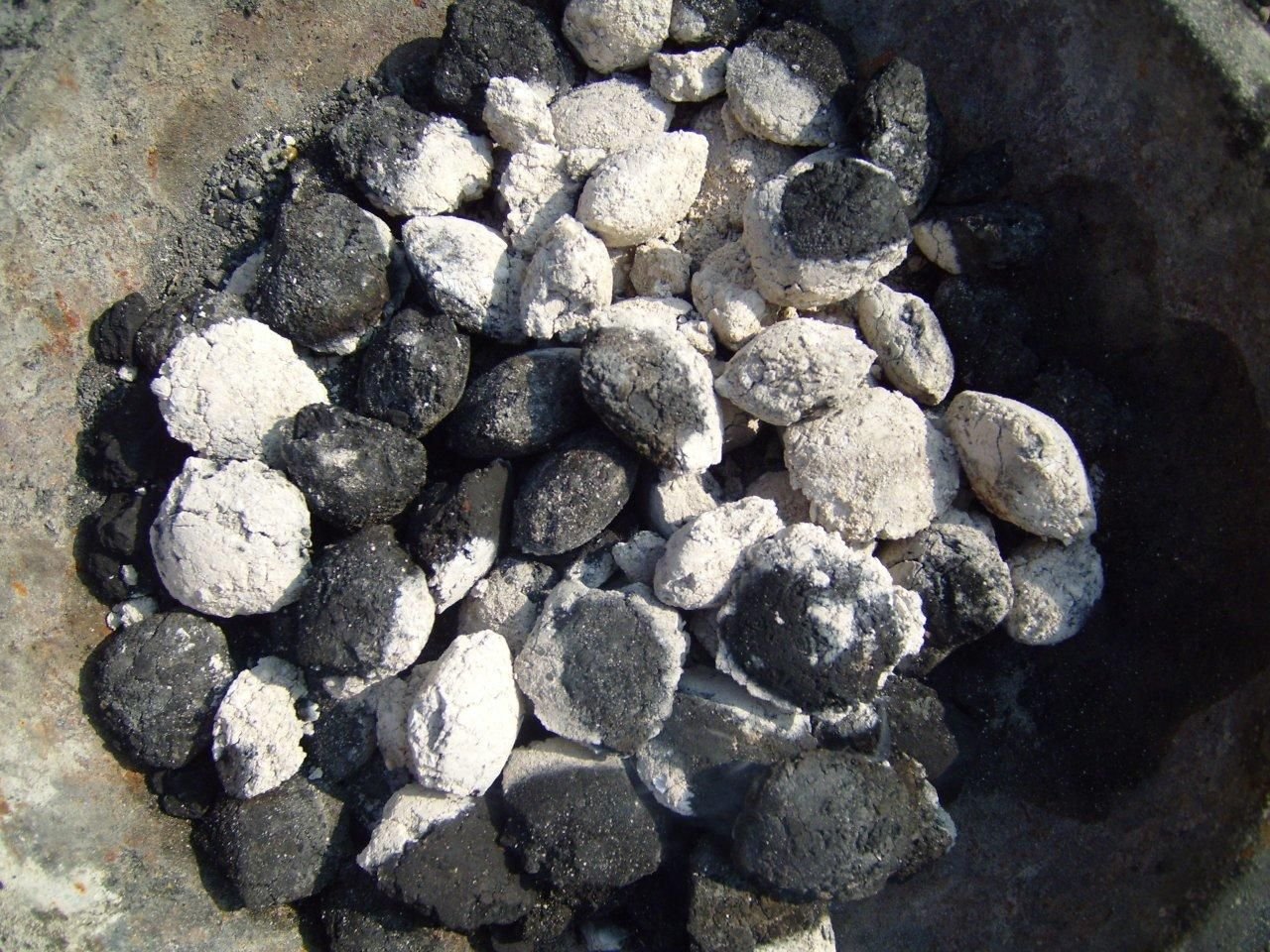
An angithi or charcoal brazier produces heat by burning fuel. That combustion can produce carbon monoxide (CO), an odourless, colourless toxic gas. A sealed room, poor ventilation or sleeping beside burning or smouldering charcoal can turn an ordinary heating decision into a medical emergency. The US Centers for Disease Control and Prevention explicitly advises never burning charcoal indoors.
An electric fan heater, oil-filled radiator or ceramic heater normally warms a room using electricity rather than burning charcoal, so the heater itself does not emit combustion-related CO. That does not make it automatically safe: an unstable heater, damaged cable, overloaded extension board or curtain beside a hot element can cause a fire. A gas-, kerosene- or wood-burning indoor heater introduces separate fuel, ventilation and maintenance risks.
| Heating method | Main concern | Safer action |
|---|---|---|
| Charcoal / angithi | CO poisoning and fire | Never burn indoors, including bedrooms and enclosed balconies |
| Portable electric heater | Fire, burns, overloaded wiring | Clear space, stable floor, direct wall connection, switch off before sleep |
| Fuel-burning heater or fireplace | CO, fire and venting problems | Use only models approved for indoor use; follow instructions and professional venting checks |
Why an open window does not make indoor charcoal safe
Carbon monoxide cannot be judged by how much smoke you see or by whether the charcoal is still glowing. Smouldering coals are not a signal that the danger has passed. Opening a window is not a reliable way to turn an indoor charcoal fire into a safe heating method. The practical rule remains simple: do not use burning charcoal to heat an indoor room. The US Consumer Product Safety Commission says never bring a charcoal grill into the home for heat.
The same principle applies to a closed garage, a tightly shut sleeping space or a covered area where exhaust can accumulate. Treat charcoal and other combustion appliances differently from electric radiators; do not assume that the absence of a visible flame or smell means the air is safe.
Carbon monoxide symptoms: what to do immediately
Headache, dizziness, weakness, nausea, vomiting, chest pain and confusion can be warning signs of carbon monoxide exposure. These can resemble flu or tiredness, which makes the problem easy to underestimate. Several people in the same room developing similar symptoms should make you especially alert. Severe poisoning can cause collapse or death. CDC guidance outlines these symptoms and explains why people who are asleep may not notice them.
- Move into fresh outdoor air immediately if CO exposure is suspected. Help others leave only if doing so does not put you in danger.
- Call emergency services and explain that carbon monoxide poisoning may be involved. In India the nationwide emergency number is 112; in the United States call 911.
- Do not re-enter the affected space to retrieve belongings or switch off a dangerous appliance if it is unsafe to do so. Wait for trained responders to assess it.
- Seek urgent medical assessment even if symptoms improve outdoors. A home CO alarm can warn of danger but does not replace safe use of equipment.
Electric room heaters: five checks before plugging one in
An electric heater is not a substitute for basic fire precautions. The CPSC winter-heating guidance recommends keeping portable heaters at least three feet—about 91 centimetres—from curtains, beds, furniture and other flammable materials. It also advises plugging them directly into a wall outlet and switching them off while sleeping.
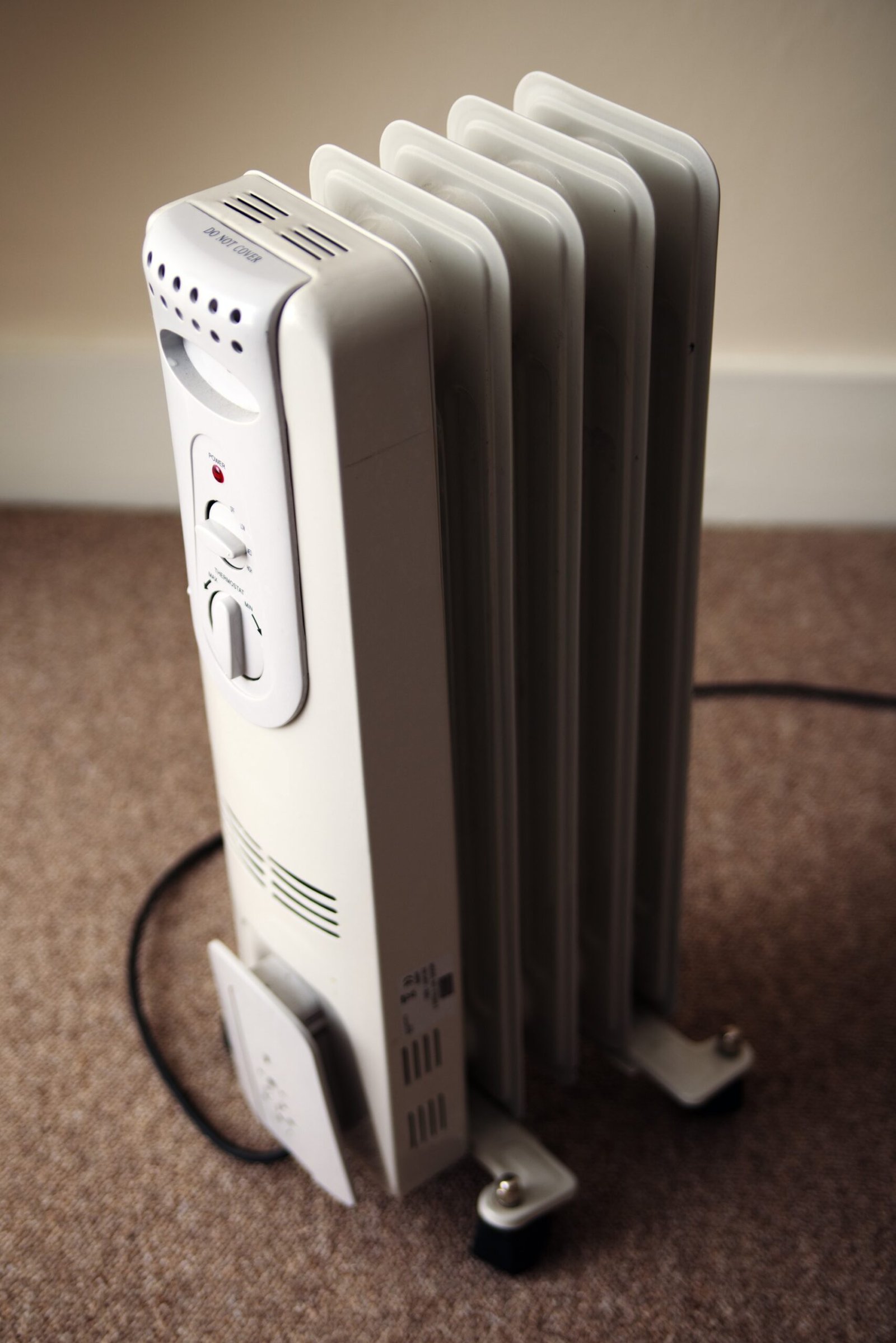
- Look around the heater: move bedding, clothes, curtains, papers and upholstered furniture at least about 91 cm away on every side.
- Check the floor: use a firm, level position where children, pets or anyone walking past cannot easily knock the heater over; do not set it on a bed.
- Check the power: connect directly to a suitable wall socket. Avoid extension leads, multi-plug adapters and overloaded power strips.
- Check the cable and plug: stop using the unit if the lead is frayed, the plug becomes unusually hot or the socket looks damaged; arrange qualified inspection.
- Check the bedtime plan: turn the portable heater off before leaving the room or falling asleep. Keep children and vulnerable household members away from hot surfaces.
A thermostatic control, tip-over switch or overheat cut-out may be useful features when properly designed and functioning. None removes the need for clearance and supervision. Follow the specific manufacturer manual; do not assume every model has the same electrical rating or safeguards.
A practical five-minute winter checklist for a family
Before switching on heat, walk through the actual room rather than relying on an appliance label. Start with the sleeping area: where will the heat source be placed, who might trip over it, and is the heater within reach of a blanket or curtain? If there is a child, older adult or person with limited mobility in the room, plan around their ability to move away from heat and call for help.
- Remove any charcoal brazier, coal pan or improvised fuel-burning heat source from the indoor plan.
- Choose appropriate clothing, blankets and safe electric heating rather than trying to heat a sealed room with combustion.
- Keep the heater’s manufacturer instructions and electrical rating accessible; use a qualified electrician for suspicious sockets.
- Ensure working smoke alarms; where combustion appliances are present, use suitable CO alarms as recommended by safety authorities.
- Agree on an exit route and a meeting place, and make sure everyone knows whom to contact in an emergency.
For broader preparation, see our winter home-preparation checklist and the guide to kitchen ventilation. Heating and ventilation choices depend on the equipment and room; ventilation alone must not be presented as making charcoal safe indoors.
Frequently asked questions
Is an electric oil-filled heater completely safe?
No. It does not ordinarily create carbon monoxide by burning fuel, but hot surfaces, damaged power connections and placement near fabrics can still cause burns or fire. Use it as directed and turn it off before sleeping.
Can I use an angithi in a bedroom if the window is open?
No. A partially open window is not a dependable safeguard against carbon monoxide. Do not burn charcoal indoors for warmth.
Can I leave the heater on overnight?
The CPSC advises switching portable heaters off while sleeping. Follow the appliance manual and do not rely on a timer or automatic cut-off as a reason to ignore that precaution.
Does carbon monoxide have a smell?
No. CO has no smell or colour. A lack of smoke or odour is not evidence that an enclosed space is safe.
Sources and editorial note
This explainer is based on public safety guidance from the CDC (carbon monoxide basics), CPSC (2026 space-heater guidance), CPSC (CO prevention) and India Ministry of Home Affairs (112 emergency response). Safety rules may vary by appliance and jurisdiction. For a suspected exposure, seek emergency assistance rather than relying on this article for diagnosis.