
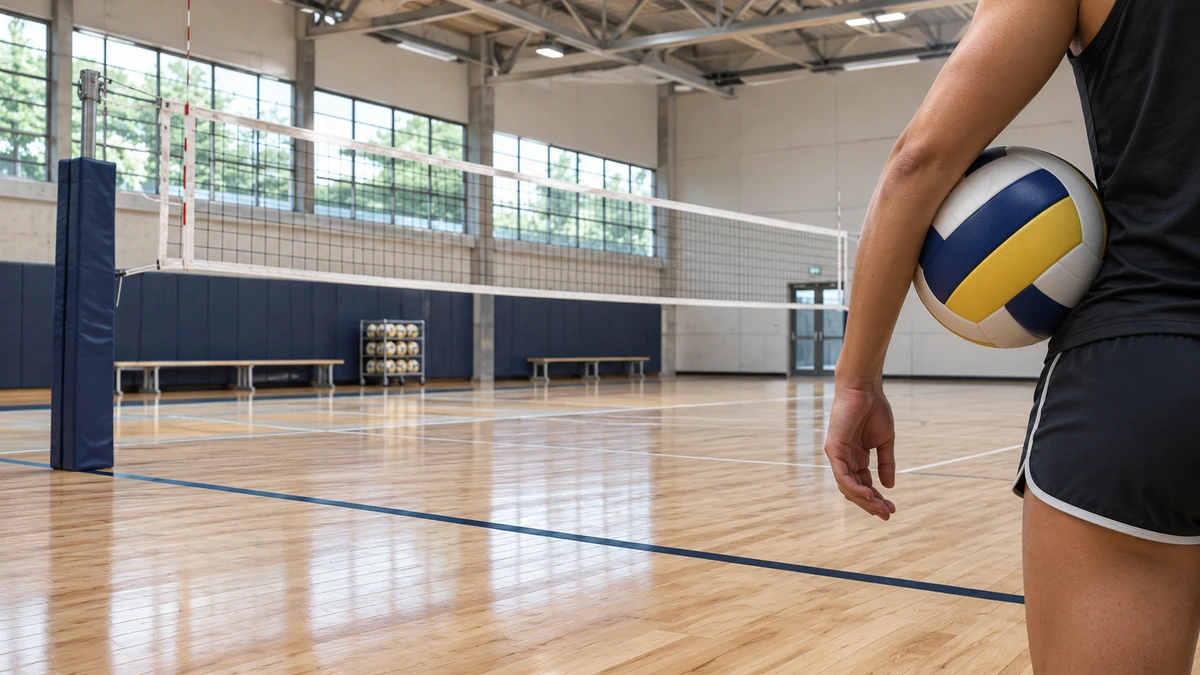
A volleyball libero can set the ball overhead. In indoor matches using FIVB rules, the referee has to see three extra things before that set creates an illegal attack: the libero made an overhand finger pass in the front zone, a teammate contacted the ball entirely above the net, and that teammate completed an attack. The set by itself is not the fault. Keep watching after the ball leaves the libero’s hands.
In this article
Start with the player in the different shirt
The contrast jersey helps you identify the libero, a specialist who replaces a player in a back-row position. The unusual shirt is a clue, not a sign the player is limited to standing in the back half of the court. A libero can run forward to keep a ball alive. The restrictions are on specific actions. In the FIVB indoor rulebook, Rule 19 also limits the libero’s own attacks, blocking and attempts to block, and prohibits serving under that rule set.
That last qualification matters. A school or domestic competition may use a rule set with differences. Identify the league before applying a serving restriction you learned from an international match. This guide follows the official FIVB 2025–2028 indoor edition, particularly Rules 1, 13 and 19, rather than assuming every competition follows each rule verbatim.
Use the attack line, not the place the ball lands
The front zone runs from the centre line to the rear edge of the attack line. That line’s rear edge is three metres from the axis of the centre line. Under the rulebook the front zone also extends sideways beyond the sidelines to the end of the free zone. A save near the bench can therefore still be in the front zone even though neither foot is within the painted sidelines. Compare where the libero made the pass with the extended line.
The pass’s destination does not change where it began. A pass played behind the attack line can travel toward the net, and a pass played in front can travel backwards. The first removes this particular libero-pass restriction; the second does not. Other rules still apply to the attacker, such as the restrictions on a separate back-row attacker.
Distinguish a finger pass from a forearm pass
An overhead finger pass is the familiar set that comes away from the hands. A forearm pass uses the platform made by the arms. If the libero makes a forearm pass in the front zone, this particular restriction on a teammate’s subsequent attack is not triggered. The play can still be illegal for a different reason, such as a fault on the pass itself or a violation by the attacker.
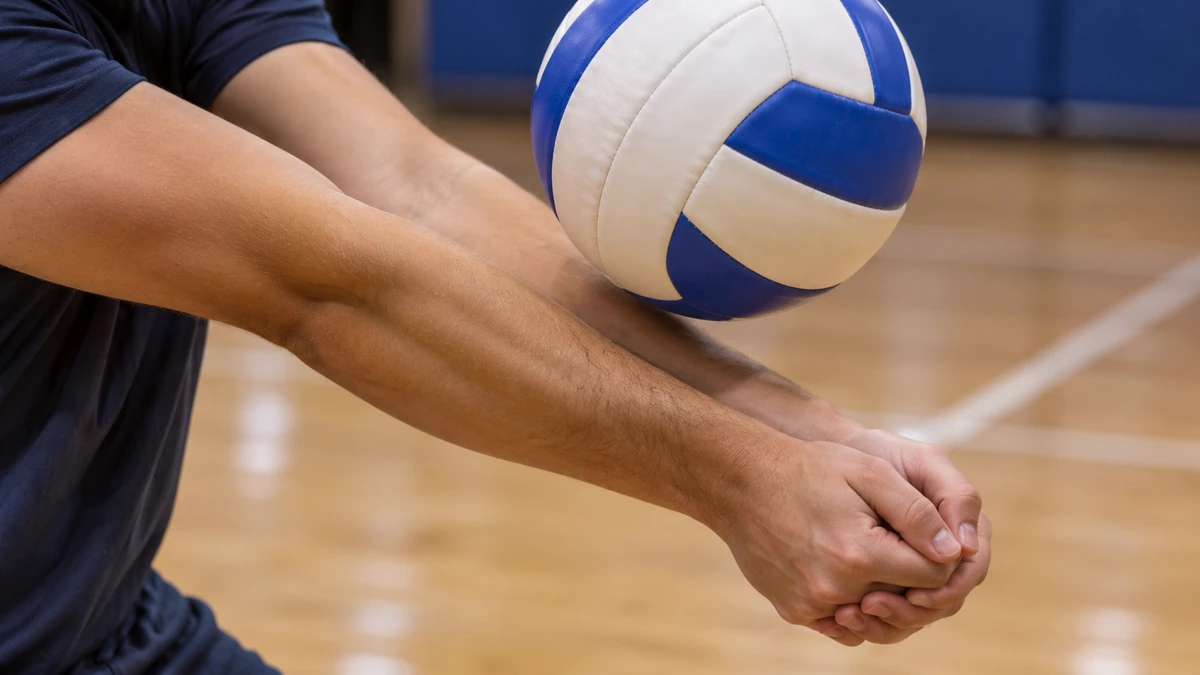
Imagine the setter digs the first ball and a short second ball draws the libero toward the net. If the libero has time to square their body and deliver a controlled forearm pass, a front-row teammate can still attack above the net subject to the ordinary rules. If the libero uses an overhand finger pass in that same zone, the teammate can send the ball over without triggering this fault by contacting it when some part of the ball is below the top of the net.
Watch how the attack finishes
Rule 13 treats an attack as completed once the ball fully crosses the net’s vertical plane or an opponent touches it. A controlled pass to another teammate is not automatically a completed attack. Height is measured at the attacker’s contact, not where the ball started or whether the attacker jumped. If the entire ball is above the top of the net when the teammate hits it after that front-zone finger pass, and the attack is completed, the referee calls a fault.
That sequence explains the delay some viewers notice: the libero’s set and the next contact are separate events. The official needs evidence about the pass, the point of contact and the completion of the attack. On a replay, pause where the libero touches the second ball, then where the attacker contacts it. A camera high behind the court may show the line well but not the ball’s height relative to the net.
Compare three nearly identical rallies
First, take an overhand pass from just behind the attack line. A front-row hitter attacks above the net and the ball goes over. There is no fault under this specific libero rule. Second, move the same pass in front of the line and keep the attack identical. Now the pass location, method and completed high attack line up for a fault. Third, keep the libero in the front zone and swap the finger pass for a forearm pass. This particular restriction drops away.
For another example of how one observation changes an official’s decision, see our tennis service-let explainer. If the volleyball competition or FIVB rule edition changes, reread its rules before carrying this explanation over.